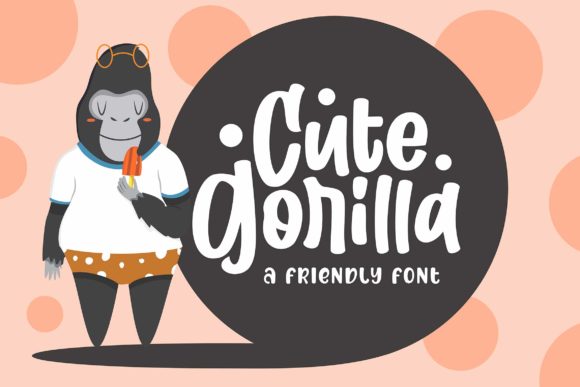
Cute Gorilla Font for Editorial Design
The Cute Gorilla font brings a friendly and cheerful personality to any editorial design project. As a handwritten typeface, it adds warmth and approachability that can enhance the visual tone of blogs, magazines, ebooks, and newsletters. Its playful yet readable style makes it an excellent choice for content creators looking to connect with their audience on a more personal level.
Designed with a focus on display use, Cute Gorilla is ideal for headlines, chapter openers, and cover text. Its unique character shapes and soft curves create a sense of movement and energy, making it stand out in layouts without overwhelming the reader. Whether you're designing a wedding invitation or a digital magazine, this font can help establish a consistent brand identity that feels inviting and memorable.
Using Cute Gorilla in Blog Headers and Magazine Covers
For bloggers and magazine designers, the Cute Gorilla font offers a fresh alternative to traditional sans serif or serif fonts. It works particularly well for blog headers where a touch of personality can make a lasting impression. The font's handwritten appearance gives a sense of authenticity that resonates with readers, especially in lifestyle, wellness, and creative niches.
When used on magazine covers, Cute Gorilla can draw attention and set the tone for the content inside. Its visual appeal is especially effective when paired with high-quality imagery or illustrations. The font’s natural feel complements designs that aim to be relatable and engaging, such as those focused on travel, food, or personal development.
Enhancing Ebook Titles and Newsletter Graphics
Ebook creators can benefit from using Cute Gorilla for titles and section headings. Its friendly and approachable style helps break up dense text and guide readers through the content with ease. When paired with a clean sans serif font for body copy, the contrast ensures readability while maintaining visual interest.
In newsletter design, Cute Gorilla can be used for subject lines, call-out boxes, and quote graphics. Its playful nature adds a sense of fun to otherwise standard email formats. For example, a lifestyle blog could feature a headline like “5 Simple Ways to Stay Organized” in Cute Gorilla, followed by a more readable font for the body text.
Creating Visual Hierarchy and Reader Engagement
One of the key benefits of using Cute Gorilla is its ability to support visual hierarchy. By using it for headings and subheadings, designers can guide the reader’s eye naturally through the layout. This is especially useful in long-form content such as guides, worksheets, and printable planners, where clear section breaks are essential.
The font’s distinctive style also helps maintain reader engagement. In a world where attention spans are short, a visually appealing headline can make all the difference. Cute Gorilla’s cheerful aesthetic encourages readers to pause, read, and absorb the information presented.
Practical Examples for Content Creators
Consider a recipe ebook where each chapter opener uses Cute Gorilla. The font’s friendly tone aligns perfectly with the content, creating a cohesive and welcoming experience. Similarly, a coaching workbook might use Cute Gorilla for chapter titles and motivational quotes, reinforcing the positive and encouraging message of the material.
Digital magazines can leverage Cute Gorilla for pull quotes and sidebars, adding a dynamic element to the page layout. For printables and lead magnets, the font’s legibility on screen and in print ensures that the design remains professional and polished across different mediums.
Readability and Font Pairing Considerations
While Cute Gorilla excels in display settings, it's important to consider its readability in longer passages. For body text, pairing it with a more structured serif or sans serif font ensures a balanced and easy-to-read layout. A common combination is to use Cute Gorilla for headings and a clean sans serif font like Helvetica or Arial for body copy.
Font pairing should also take into account the overall design theme. For instance, a wedding guide might pair Cute Gorilla with a delicate script font for accents, while a business publication may prefer a more modern sans serif for contrast.
Licensing and Commercial Use
Before incorporating Cute Gorilla into commercial projects, it's essential to review the licensing terms. For ebooks, templates, printables, and paid newsletters, a proper commercial license ensures that the font can be used across multiple platforms and outputs. Always verify that the license includes web, print, and PDF exports if needed for your specific use case.
Checking the font’s included styles, alternates, ligatures, and multilingual support can also help ensure that it meets the needs of your project. Some versions may offer additional weights or variations that can be useful for different design elements.
Whether you're working on a personal blog, a branded publication, or a digital product, Cute Gorilla offers a versatile and expressive option for editorial design. Its cheerful personality and readability make it a valuable asset for any content creator aiming to build a strong visual identity and engage their audience effectively.